# Welcome To Zingg
This is the latest documentation for Zingg. Release wise documentation can be accessed through:
* [v0.5.0](https://app.gitbook.com/o/kn0G4kXLdlfPagjso48S/s/LzEhax5IUbfFVRkRns9Q/)
* [v0.4.0](https://app.gitbook.com/o/kn0G4kXLdlfPagjso48S/s/a7sgpR3odgfck5L8KMcN/)
* [v0.3.4](https://app.gitbook.com/o/kn0G4kXLdlfPagjso48S/s/ngqsuC2LVWwrOiyPZbU2/)
* [v0.3.3](https://app.gitbook.com/o/kn0G4kXLdlfPagjso48S/s/1ZRr4ik7PJ2qmCP10In9/)
## Why?
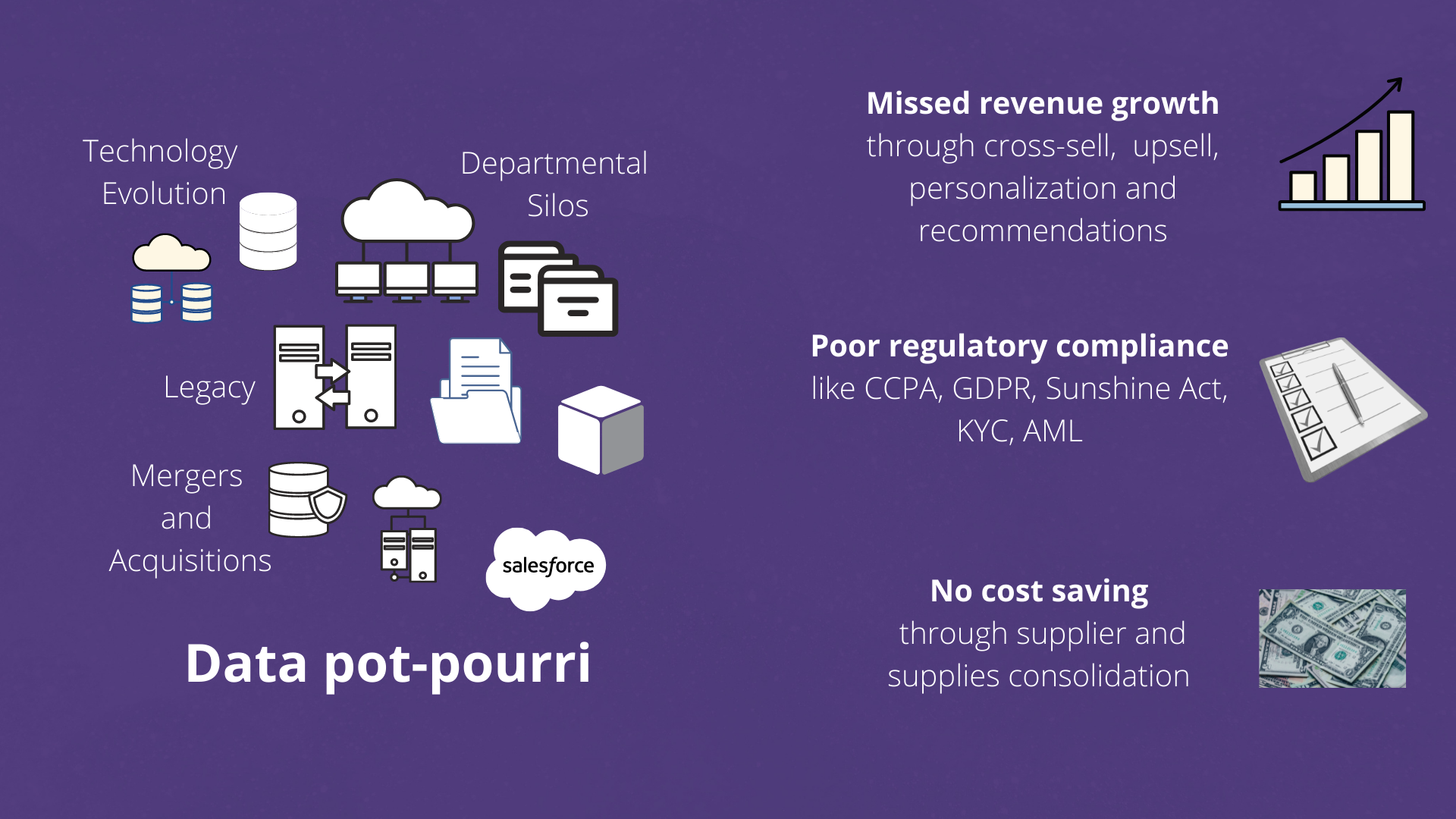
Data silos hurt all business functions - customer analytics, supplier consolidation, risk and compliance, and sales and marketing.
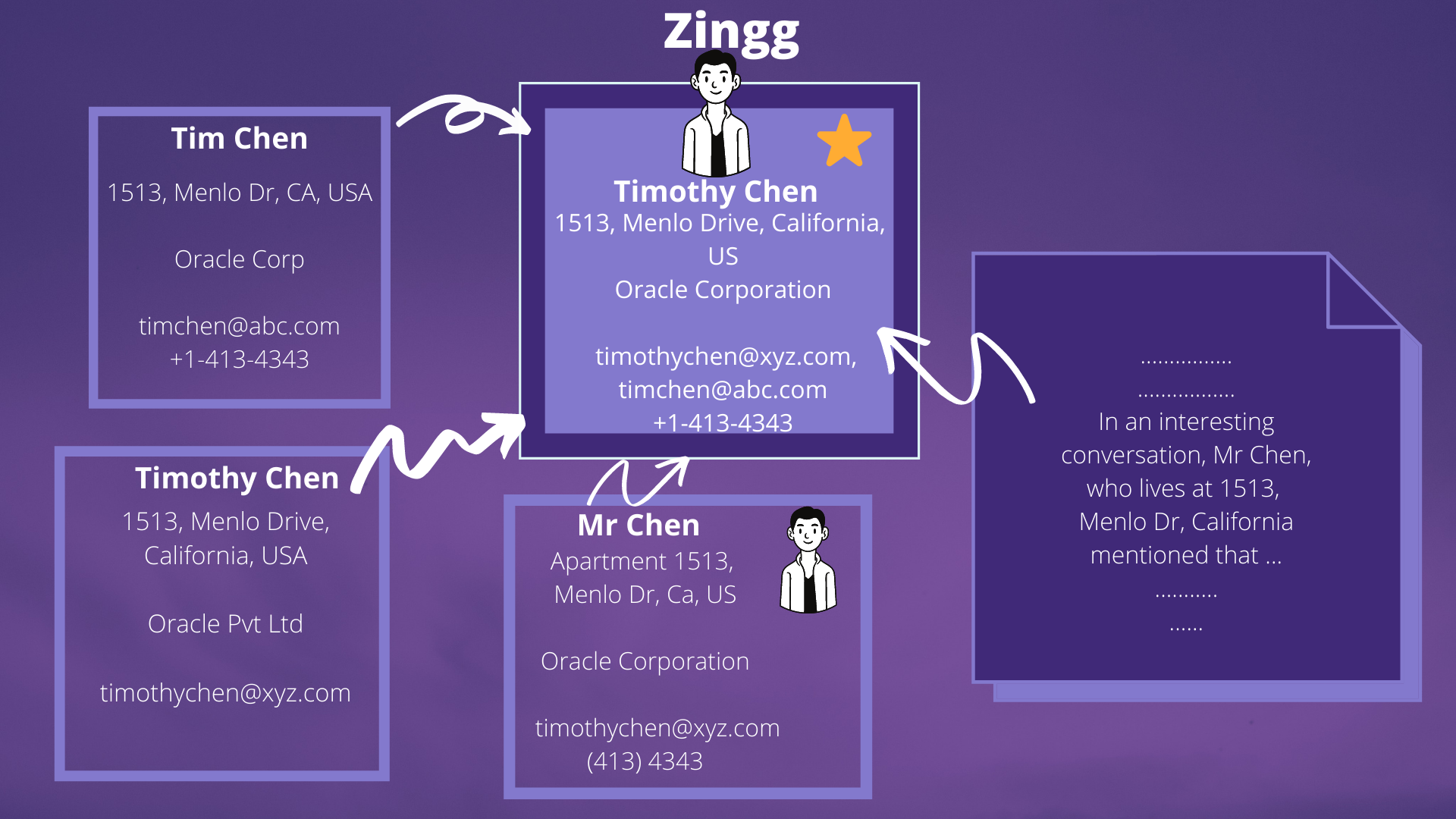
Zingg is a quick and scalable way to build a single source of truth for core business entities. With Zingg, the analytics engineer and the data scientist can quickly integrate data silos and build unified views at scale!
## Ask For Help
If you want to understand if Zingg is a fit for your use case or have other questions or suggestions, join our [Slack.](https://join.slack.com/t/zinggai/shared_invite/zt-w7zlcnol-vEuqU9m~Q56kLLUVxRgpOA)
---
# Agent Instructions: Querying This Documentation
If you need additional information that is not directly available in this page, you can query the documentation dynamically by asking a question.
Perform an HTTP GET request on the current page URL with the `ask` query parameter:
```
GET https://docs.zingg.ai/latest/readme.md?ask=
```
The question should be specific, self-contained, and written in natural language.
The response will contain a direct answer to the question and relevant excerpts and sources from the documentation.
Use this mechanism when the answer is not explicitly present in the current page, you need clarification or additional context, or you want to retrieve related documentation sections.
